IBC·RecycleReuse · Recondition · Return
Livonia, MI · Est. 2009Contact Us

Company history

It started as
an argument about
garbage.

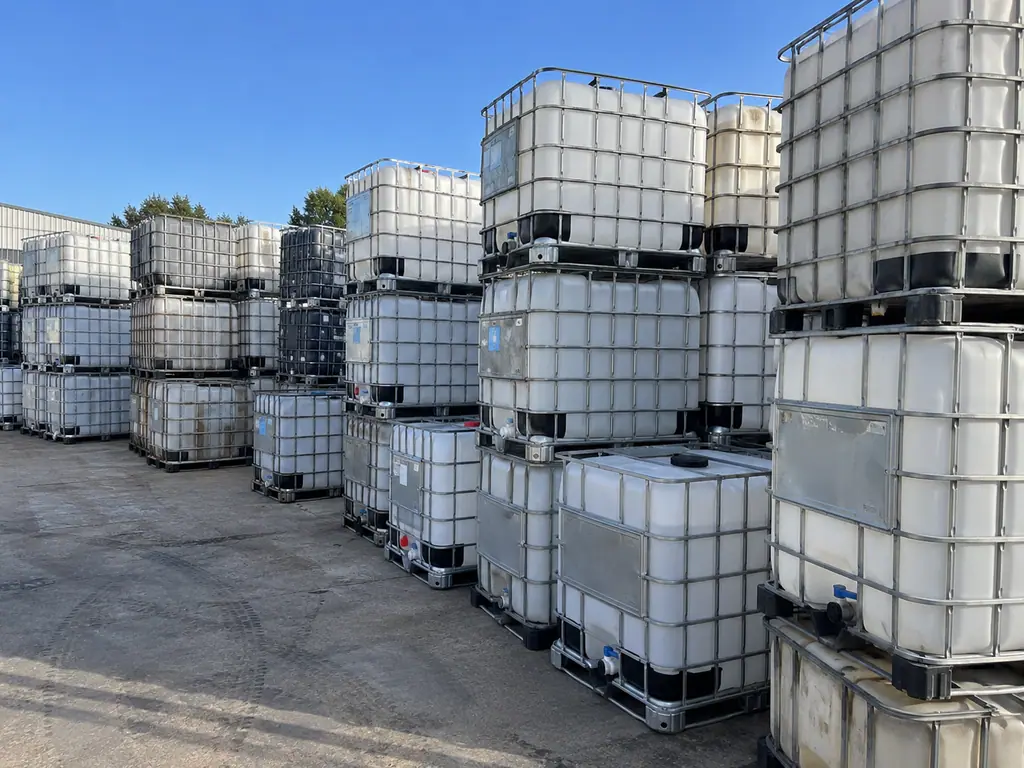
One shop was paying to throw totes away while a nursery two miles down the road was paying to buy them. Seventeen years later, that gap is still the whole business.

Want to be part of the next chapter?Buying, selling, or just curious

* requiredPhone & postal code: US or Canada onlyQuantity 1–10,000

No phone calls from us — we answer by email from sales@ibc-recycle.com. Privacy

2009 → 2026

The timeline, including the parts that went badly

Company histories usually read like a straight line upward. Ours has a recall, a bad freight broker and an expensive lesson about door heights in it.

2009

Twelve cages and a borrowed pressure washer

Two brothers with a flatbed noticed that the plating shop down the road was paying to dispose of totes that a nursery two miles away was paying to buy. The arbitrage was embarrassing. The first month's revenue was $1,840.
2010

The first real customer, and the first real lesson

A food processor bought nine totes described as 'clean'. One had held a non-food surfactant. We took the whole load back, ate the freight, and wrote the first version of our last-contents disclosure rule that same week. It has never been relaxed.

2012

Brookfield Street

Moved into the Livonia yard we still occupy. Two bays, a gravel pad, and enough room to stage a truckload instead of three pallets.

2013

Three-stage wash line installed

Going from a pressure washer to a staged rinse-caustic-rinse line changed what we could sell. Suddenly food-grade was a category we could stand behind, not a word we avoided.

2015

First rebottling program

We realised we were scrapping perfectly good cages because of tired bottles. Sourcing new HDPE bottles to drop into refurbished cages cut our scrap rate by a third overnight.

2016

The passport system

A customer asked, reasonably, 'how do you know this cage is on its third life and not its ninth?' We did not have a good answer. Six weeks later every cage leaving the yard was stencilled with an ID and had a file behind it.

2018

Our own trucks

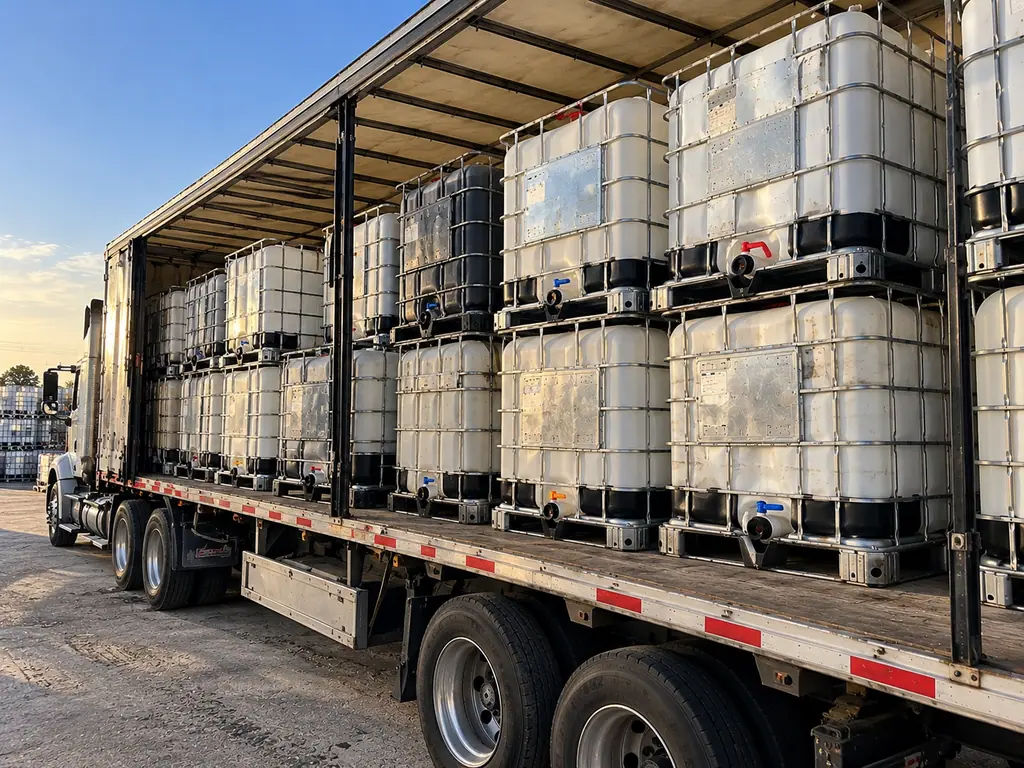
Brokered freight was the weakest link: late pickups, damaged cages, nobody to call. Buying flatbeds was expensive and immediately correct. Backhauling empties on outbound lanes also quietly cut our freight emissions.

2019

Granulation partnership

Signed a standing agreement with a regional reprocessor so that bottles we genuinely cannot save become clean HDPE regrind rather than mixed waste. Landfill tonnage dropped by 71% in one year.

2021

Fabrication bay opens

Customers kept asking us to cut, fit and plumb totes for rain harvesting, aquaponics and livestock watering. We stopped improvising and built a dedicated bay with proper fittings inventory.

2023

Tote pooling for repeat shippers

For customers who ship the same route every month, we started managing the cages as a pool: we own them, wash them, track them and return them. Their capex problem became our logistics problem, which is the one we are good at.

2024

Closed-loop wash water

Filtration and recirculation on the wash line cut fresh-water draw per tote by roughly 60%. Treated discharge is tested before it leaves the property.

2026

Where we are now

Five trucks, a 94% reuse rate on intake, a growing upcycled-products line and a published zero-landfill target for 2028. Still on Brookfield Street. Still writing everything down.

“Every year the industry invents a new word for selling the same plastic twice. We just kept the receipts.”

There is no founder mythology here. The company grew because reuse is structurally cheaper and structurally cleaner than manufacturing, and because we were willing to do the boring documentation work that makes reused equipment safe to buy.

Ready to put a tote back to work?

Send one form. We answer with real numbers — grade, quantity, freight, lead time.